


As global tourism increasingly shifts toward sustainability and climate accountability, Vietnam is beginning to explore new models of low-carbon and net zero tourism across several local destinations.
In a recent interview with Vietnam Today, Miquel Àngel — Founder of MQL Sustainable Tourism Services — shared his perspectives on what Vietnam must prioritize to become a truly sustainable tourism destination in the region.
The discussion highlighted an important message: net zero tourism is not about reducing tourism quality or limiting development, but about creating smarter, measurable, and more accountable systems for long-term growth.
Click here to view the full interview on YouTube
What is Vietnam’s Net Zero Goal by 2050?
At the COP26 conference in 2021, Vietnam joined many nations with a pledge to achieve Net Zero by 2050, marking the country’s responsibility and ambition in standing with the world to conquer the climate crisis. Meaning that by 2050, the total amount of greenhouse gases emitted in Vietnam will be balanced by the amount removed from the atmosphere. In other words, net emissions = 0, not completely zero emissions.
Among sectors that are shifting toward this climate goal such as Energy, Transportation, Manufacturing, Agriculture and Construction… the Tourism industry is gradually adapting with a more sustainable approach to leverage this transition.

Prime Minister Pham Minh Chinh with leaders attending COP26 conference. Source: Chinhphu.vn
Net Zero Tourism Requires System-Wide Collaboration
One of the strongest insights from the interview is that net zero tourism cannot be achieved through isolated efforts.
According to Miquel Àngel:
“This is not an individual effort. If not, all the airlines, the construction and real estate developers need to go align with tourism, trains, and transportation. Everybody must be alike looking at the same direction.”
This reflects a growing global reality that sustainability in tourism is deeply interconnected with:
- Transportation
- Infrastructure
- Energy
- Urban planning
- Hospitality operations
Vietnam’s tourism future will depend not only on hotels or destinations individually becoming sustainable, but on whether the broader ecosystem moves together toward measurable carbon reduction goals.




Net Zero Tourism Does Not Mean Lower Quality
One of the most important misconceptions addressed during the interview was the belief that net zero tourism means sacrificing comfort, luxury, or profitability.
Miquel Àngel clarified:
“Net zero tourism and net zero properties that we are supporting, they don’t need to be lower categories, lower services, or lower standards in any way.”
He further emphasized:
“This CO2 emissions is not related to cut services or minimize any of the facilities. I would say the opposite.”
This is a critical point for tourism businesses across Vietnam. Sustainability today is increasingly associated with:
- Operational efficiency
- Optimized energy usage
- Smarter design
- Transparent measurement
- Long-term resilience
Many pioneering hotel brands, tourism and destinations are already demonstrating that sustainability and premium experiences can coexist.
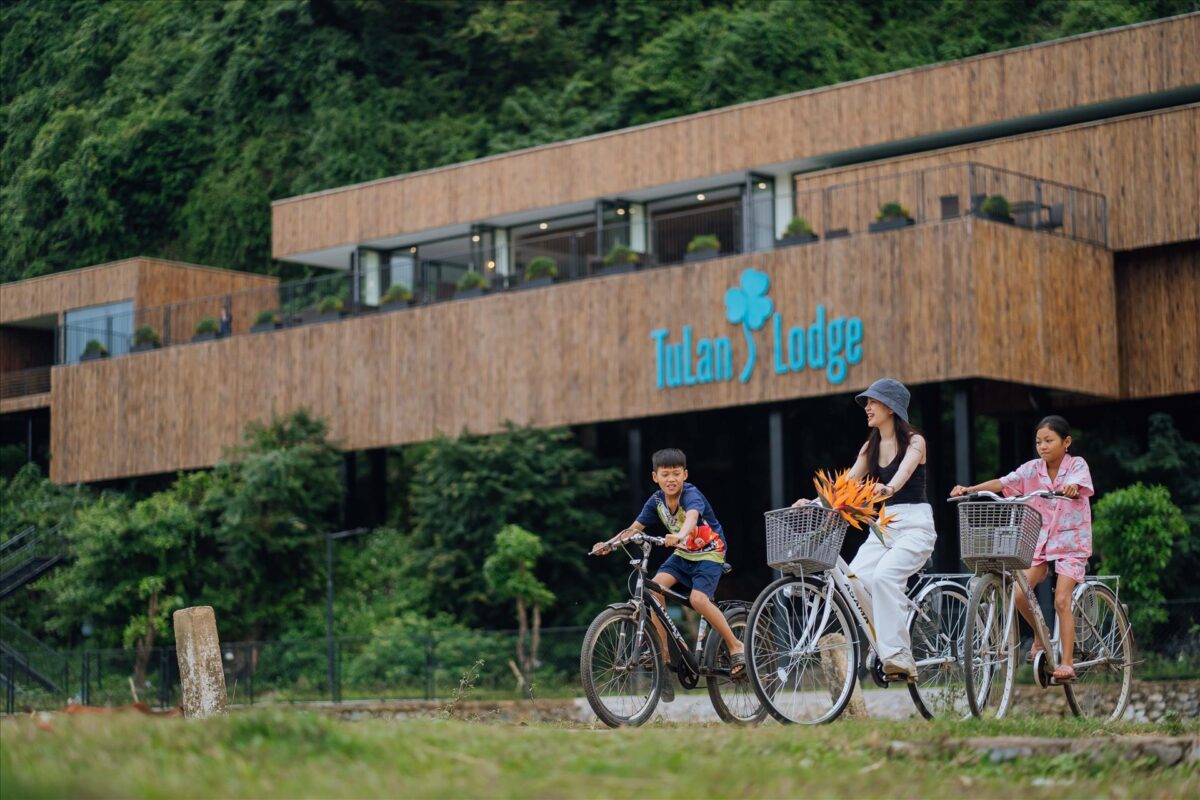
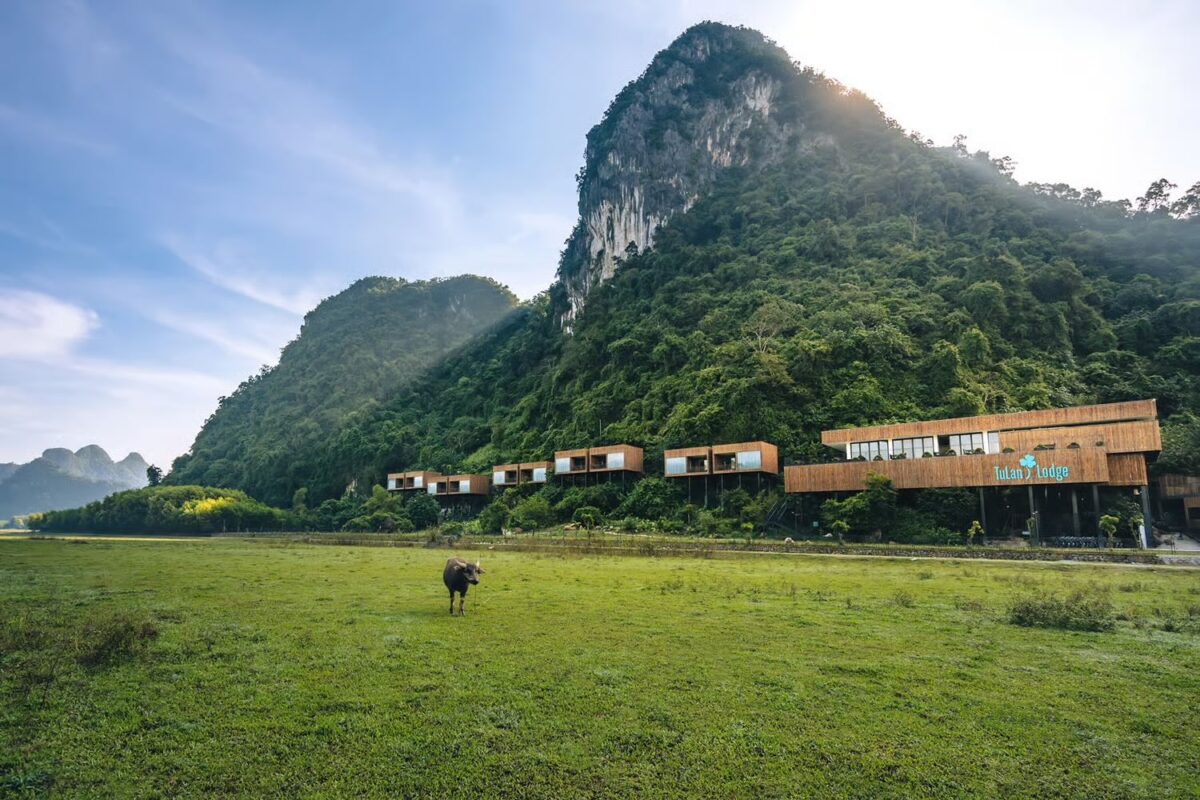
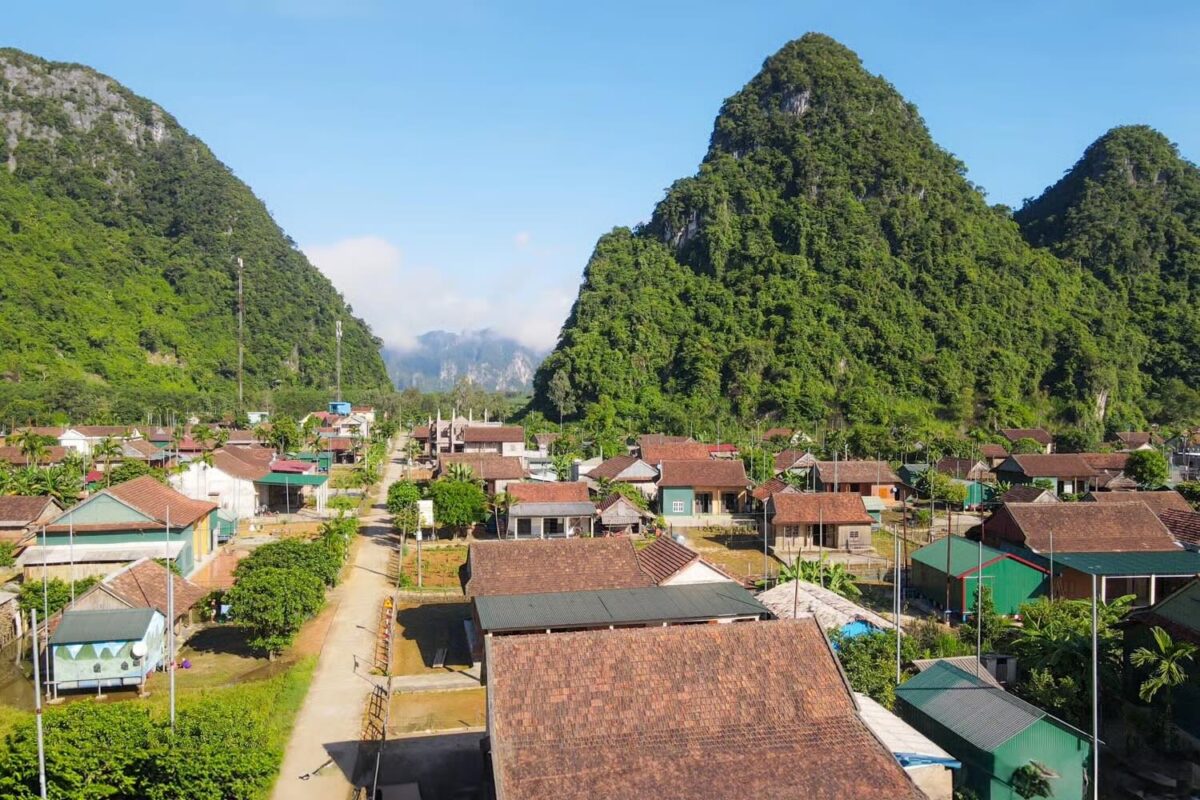

E.g., Oxalis Adventure tour operator in Phong Nha – Ke Bang is leading in Net Zero tourism model. They not only offer high quality travel experiences, but also improve infrastructure for local community, conduct environmental education, and plant more trees in their operating areas to offset their carbon footprints…
“You Cannot Reduce What You Cannot Measure”
Perhaps the clearest and most actionable message from the interview was around carbon measurement and accountability.
According to Miquel Àngel:
“Many owners and companies do not know how to measure these CO2 emissions and how to reduce something that we don’t know how to measure.”
He continued:
“If you pollute a lot, we have measures for you to reduce and pollute less. And if you pollute less, we have measures for you to pollute zero.”
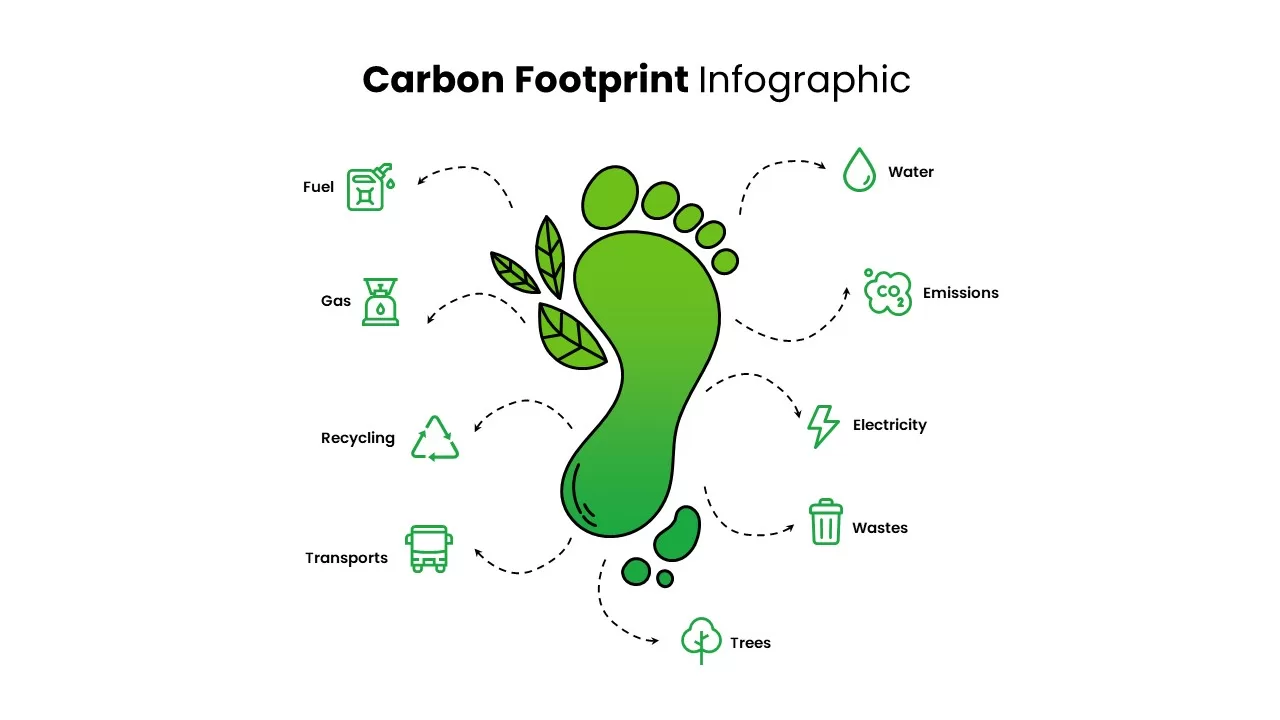
In line with Vietnam’s Net Zero ambitions, the tourism sector is prioritizing emission reduction through sustainable accommodations, energy efficiency, plastic waste reduction, and the integration of ESG-oriented practices into tourism operations.
This also highlights a major challenge for developing tourism markets, which many businesses still lack:
- Emissions tracking systems
- Sustainability reporting frameworks
- Carbon accounting knowledge
- Operational benchmarks
Without measurable data, sustainability remains difficult to implement in practice.
Vietnam’s 2026 Vision toward Green Transition
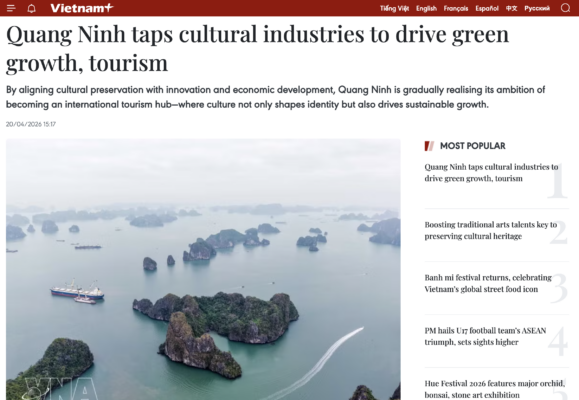
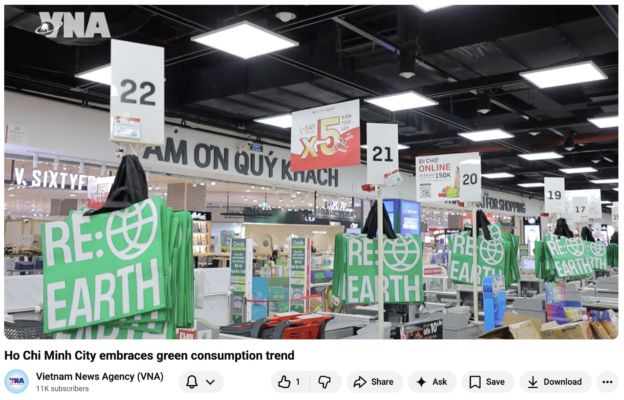
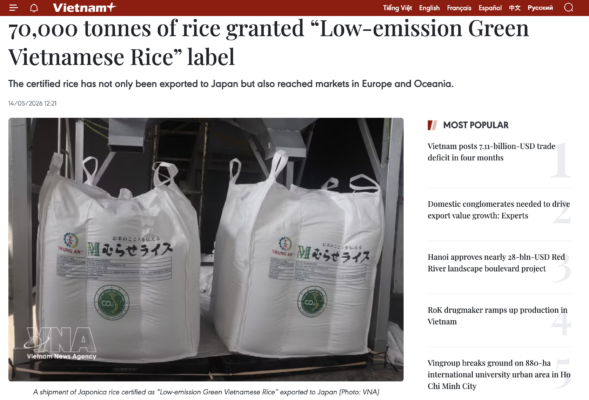
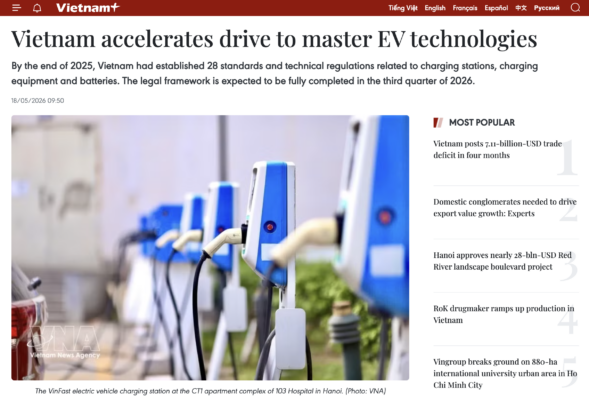
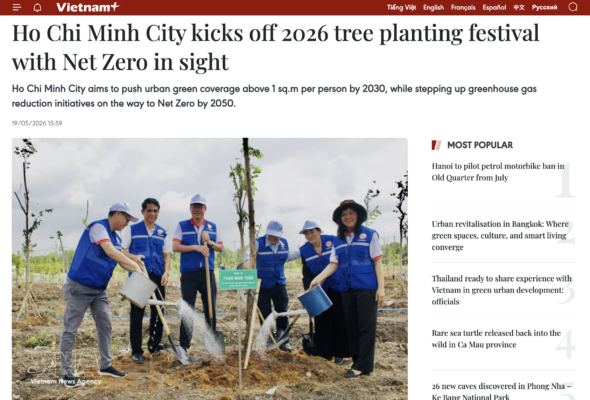
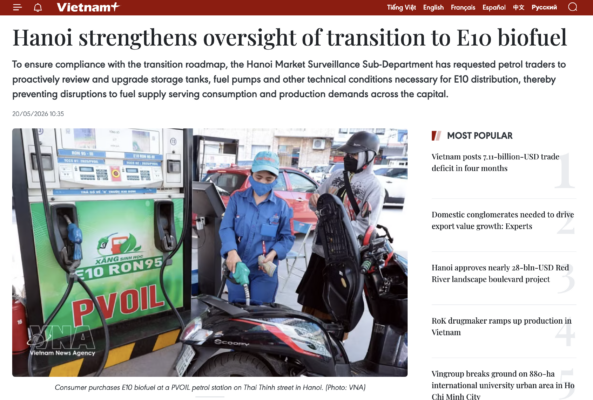
As the trend is shifting toward sustainable tourism, wellness retreat, and slow travel, where tourists increasingly prefer tourism experience linking to preserving the nature and cultural identity. The interview also connected tourism sustainability potential to Vietnam’s broader national climate commitments.
Miquel Àngel explained:
“Our government already made some commitments looking at 2030 up to 2050 to achieve the Net Zero on CO2 pollution. Only this way will drive us to achieve the 2050 commitments.”
As Vietnam’s strategic policies strengthen, and tourism being one of the key sectors contributing to achieve this goal, tourism businesses that fail to adapt may face increasing pressure from:
- International travelers
- Investors
- Supply chains
- Future regulations
Meanwhile, destinations and businesses that move early toward sustainable tourism implementation may gain stronger positioning, enhanced biodiversity and cultural preservation, and more meaningful travel experiences for visitors.
Key Takeaways for Tourism Businesses
1. Sustainability must become measurable
Carbon reduction requires emissions tracking, reporting systems, and operational transparency.
2. Sustainability is not anti-growth
Net zero tourism can coexist with high-quality hospitality, premium experiences, and strong economic performance.
3. Collaboration matters
Governments, airlines, hotels, developers, and transport providers must work toward shared sustainability goals.
4. Long-term competitiveness depends on adaptation
Tourism businesses that integrate sustainability early may become more resilient, credible, and internationally competitive.